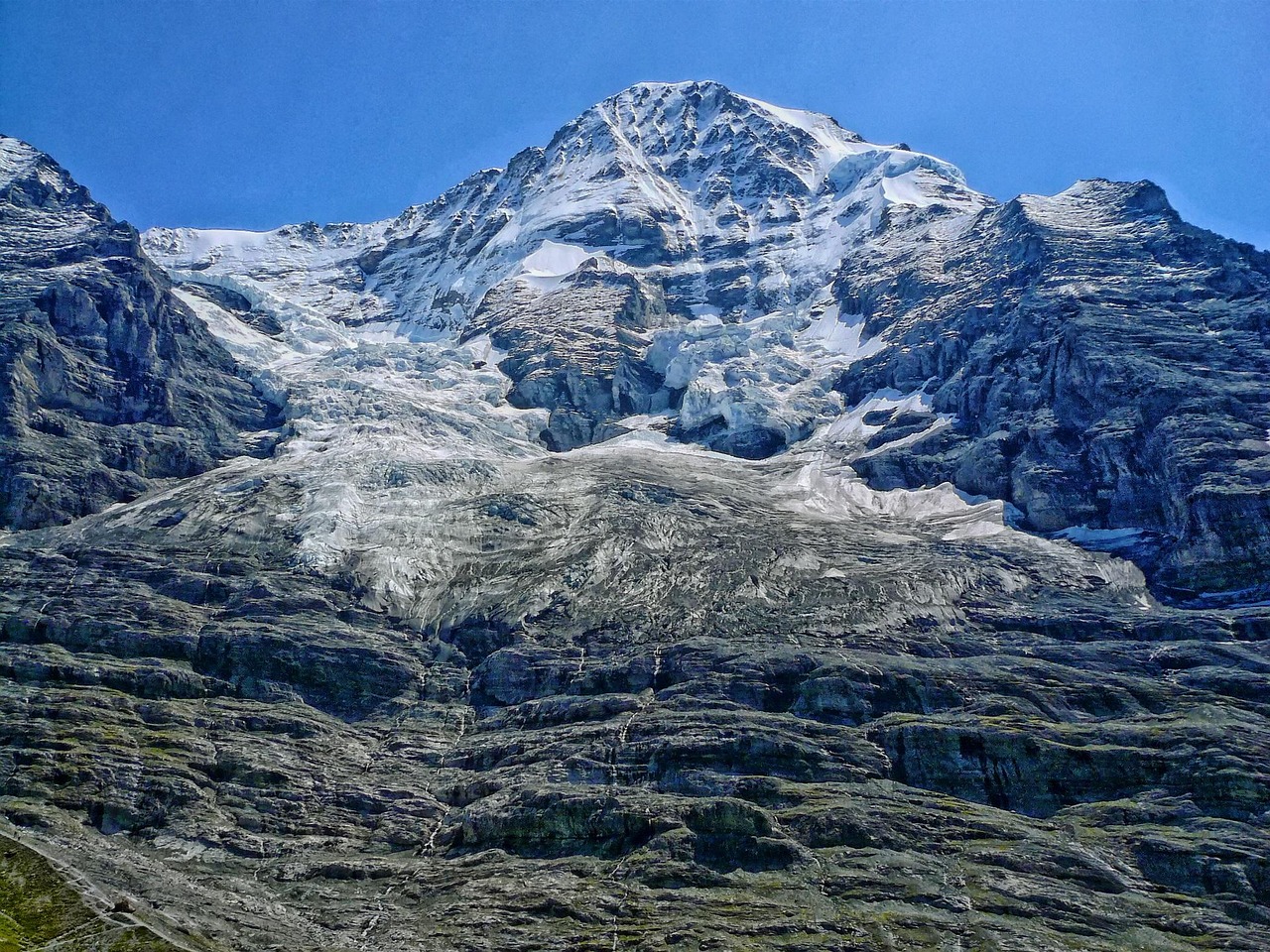

The glaciers of the Austrian Alps are undergoing a period of rapid and alarming disintegration, driven by the escalating effects of climate change. Scientists from the University of Graz and the Austrian Alpine Club have documented significant structural damage and shrinking ice masses throughout the region, particularly over the past year. This phenomenon poses a serious threat to Alpine infrastructure, landscapes, and the potential for increased natural hazards. The situation is particularly concerning given the observed temperature increases and the predicted trajectory of future warming.
The Rapid Decline of Austrian Ice Masses
The past year has been critical in accelerating the decline of Austrian glaciers, with June 2025 experiencing exceptionally warm temperatures. Data indicates that June was almost 5°C warmer than the average for the month, contributing significantly to the accelerated melting. While July 2025 saw a short-term cooling trend, it was insufficient to reverse the damage already inflicted. Andreas Kellerer-Pirklbauer of the Austrian Alpine Club stated, “Many glaciers are not only shrinking in length but are increasingly entering a phase of structural disintegration.” This disintegration is not simply a reduction in size, but a breakdown of the glacier’s internal structure, making them more vulnerable to collapse.
The Pasterze glacier, Austria’s largest, is facing an imminent threat of splitting into two separate ice bodies in the coming years. This glacier, located in the High Tauern range, has already lost significant portions of its mass and is now structurally compromised. Measurements taken in recent months reveal alarming changes: the glacier’s length has decreased from 96 meters to 94 meters in certain sections, while its elevation has dropped from 114.3 meters to 103.9 meters. These figures highlight the dramatic pace of glacial retreat. The situation is not unique to the Pasterze glacier; similar trends are being observed across the Austrian Alps in regions like Tyrol, Salzburg, and Carinthia.
Understanding the Drivers of Glacial Loss
The primary driver of this glacial decline is unequivocally climate change. Temperatures at high-altitude weather stations are consistently 2°C (3.6°F) above the long-term average, creating conditions that are unsustainable for glacial ice. A warm winter with minimal snowfall exacerbated the problem, as the lack of a protective snow layer exposed the ice to direct sunlight and accelerated melting. This combination of factors has created a perfect storm for glacial disintegration. Gerhard Lieb and Nicole Slupetzky from the University of Graz emphasize that the observed changes are not isolated incidents but rather a clear indication of a long-term trend.
The lack of substantial snowfall during the winter months is a crucial factor. Snow acts as a natural insulator, protecting the underlying ice from the sun’s rays and slowing down the melting process. Without this protective layer, glaciers are far more vulnerable to the effects of rising temperatures. Furthermore, the exceptionally warm early summer in June 2025 triggered a rapid increase in meltwater runoff, further destabilizing the glaciers. This meltwater also contributes to increased river flows and potential flooding downstream.
Consequences for the Austrian Landscape and Infrastructure
The disintegration of Austrian glaciers has far-reaching consequences, extending beyond the loss of iconic landscapes. Increased risk to Alpine infrastructure is a major concern, as melting glaciers can destabilize mountain slopes and trigger landslides. Roads, bridges, and buildings located near glaciers are particularly vulnerable. The changing landscape also impacts tourism, a vital sector of the Austrian economy. Many tourists visit the Alps specifically to experience the glaciers, and their disappearance will undoubtedly have economic repercussions.
The loss of glacial ice also contributes to more extreme weather events and natural hazards. As glaciers shrink, they release large volumes of water, increasing the risk of glacial lake outburst floods (GLOFs). These floods can be devastating, causing widespread damage to infrastructure and posing a threat to human life. Moreover, the reduction in glacial mass can alter regional weather patterns, potentially leading to more frequent and intense droughts and heatwaves. “Climate change has long been a reality in the Alps, and we are experiencing its consequences… right now,” stated a representative from the Austrian Alpine Club.
The Future of Austrian Glaciers: Mitigation and Adaptation
The scientific consensus is clear: the glaciers of the Austrian Alps are unlikely to return to their former state. The focus now must shift towards mitigating the consequences of glacial loss and adapting to a changing environment. This includes investing in infrastructure improvements to protect against landslides and floods, developing early warning systems for GLOFs, and promoting sustainable tourism practices. It is no longer a question of whether we can still save the glaciers in their former state; it is a question of mitigating the consequences for ourselves.
Effective climate action on a global scale is also crucial. Reducing greenhouse gas emissions is essential to slow down the rate of warming and prevent further glacial disintegration. The Austrian government has committed to ambitious climate targets, but more needs to be done to achieve these goals. The situation demands a concerted effort from all stakeholders, including governments, businesses, and individuals. The fate of the Austrian glaciers, and indeed the entire Alpine region, hangs in the balance.
The ongoing monitoring of Austrian glaciers is vital for understanding the dynamics of glacial change and informing adaptation strategies. Scientists continue to collect data on glacial mass balance, ice thickness, and surface elevation, providing valuable insights into the processes driving glacial decline. This data is essential for developing accurate models and predicting future changes. The continued observation of the Austrian glaciers will be crucial for understanding the broader impacts of climate change on mountain ecosystems worldwide.
The rapid changes observed in the Austrian Alps serve as a stark warning about the consequences of inaction on climate change. The loss of these iconic glaciers is not just an environmental tragedy; it is a threat to the livelihoods and well-being of millions of people. The situation underscores the urgent need for global cooperation and decisive action to address the climate crisis. The future of the Austrian landscape, and the planet as a whole, depends on it. The shrinking of the glaciers is a clear signal that the time for complacency is over.